Power generation
Water jetting units for power generation facilities, boiler to FGD
One jetting set-up for the whole site: soot and ash in boiler tubes, marine growth in condensers, deposits in FGD systems, pipes and vessels. Remote and automated control keeps crews out of confined spaces.
- 500–2800 bar
- 15–200 LPM
- Rotary, fixed and specialty nozzles
- Remote and automated control
- Pressure-tested before dispatch
- Spares and accessories in Chennai
- Supplied across India and the Gulf
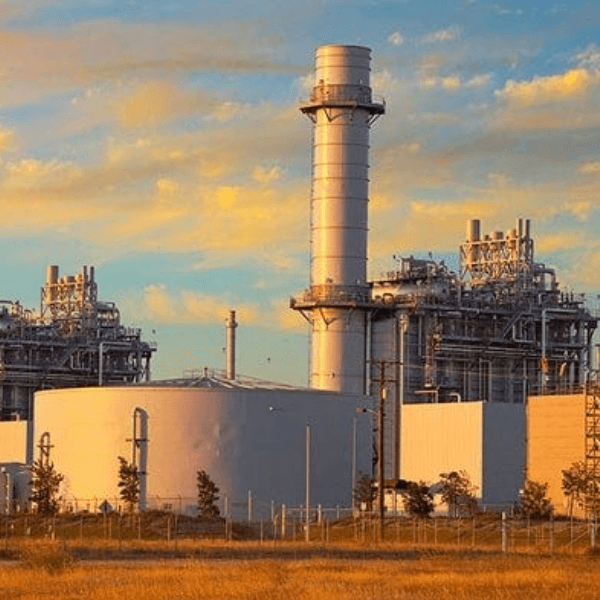
Water jetting units for power generation facilities are essential for maintaining the efficiency and performance of critical equipment like boilers, heat exchangers, turbines, and condensers. These systems use high-pressure water jets (up to 2800 bar) to clean and descale tough deposits, scale buildup, soot, and ash. Using eco-friendly, safe, and cost-effective methods, our water jetting units help reduce downtime, increase equipment lifespan, and improve operational efficiency.
Our solutions are designed to meet the demanding requirements of power plants, helping your equipment run efficiently while keeping maintenance costs down.
How the units work on generation equipment
Water jetting units for power generation facilities utilize high-pressure water (typically between 500 bar to 2800 bar) to efficiently clean tough industrial deposits. The cleaning process involves:
What the unit includes
High-Pressure Pump: Powered by diesel, electric, or hydraulic energy to generate the necessary pressure
Rotary Nozzles: Spins inside tubes, pipes, and other hard-to-reach areas to remove tough deposits
Flexible Lances and Hoses: Allow easy access to difficult-to-reach spaces within boilers, heat exchangers, and turbines
Remote Control Operation: Provides a safe and efficient method to operate in confined or hazardous spaces
Automated Features: Available for continuous cleaning, making operations more efficient and reducing manual labor
Technical Specifications
- Pressure Range: 500 – 2800 bar (customized for different applications)
- Flow Rate: 15 – 200 LPM
- Power Source: Electric, Diesel, or Hydraulic-powered
- Nozzle Types: Rotary, fixed, and specialty nozzles for different applications
- Mounting Options: Skid or Trailer-mounted for easy mobility
- Control Options: Manual, semi-automatic, or fully automated
- Accessories Available: Flexible hoses, lance extensions, surface cleaning nozzles
Areas of the plant we clean
-
Boiler Tube CleaningRemoves soot, scale, and ash buildup in boiler tubes, improving heat transfer efficiency and reducing fuel consumption
-
Heat Exchanger CleaningCleans heat exchanger tubes by removing fouling, corrosion, and scale buildup to improve heat transfer efficiency
-
Condenser Tube CleaningRestores cooling system efficiency by removing marine growth, scale, and other debris
-
Turbine & Generator CleaningRemoves carbon deposits and grease from turbines and generators, enhancing performance and reducing wear
-
Flue Gas Desulfurization (FGD) System CleaningCleans FGD systems and components so they keep working as designed
-
Pipe & Vessel CleaningSafely removes scale, debris, and contaminants from pipes and vessels within the plant
Advantages for plant maintenance teams
-
High EfficiencyCleans power generation equipment quickly, ensuring minimal downtime
-
Non-Abrasive and SafePrevents damage to delicate equipment, extending the lifespan of components
-
Energy-EfficientClean heat transfer surfaces reduce energy losses; electric and hydraulic drives keep running costs low
-
Environmentally FriendlyNo chemicals required, reducing environmental hazards
-
VersatileCan clean a wide range of equipment, from boiler tubes to turbines and cooling systems
-
Customizable SolutionsTailored to meet specific needs based on pressure, flow rate, and application
Why choose Riggers Pumps
Our water jetting units are designed specifically for the rigorous demands of power plants. Here's why you should choose our systems:

-
High PerformanceEnsures deep cleaning, even in challenging areas like heat exchangers, turbines, and cooling towers
-
Low Operating CostsElectric-powered units are cost-effective, and diesel options are designed for tough, remote applications
-
Reliable & DurableBuilt with heavy-duty components to withstand continuous industrial use
-
Safety FeaturesRemote operation and automated control for safe and efficient cleaning in hazardous areas
-
Customizable to Your NeedsTailored systems based on pressure, flow, nozzle configuration, and more
Selecting pressure and flow across a generation site
Different parts of a power station foul in different ways. These pointers help you plan one unit, or a fleet, that covers the jobs you actually have.
Boiler tubes
Soot, ash and scale call for rotary nozzles on flexible lances; harder scale pushes pressure toward the upper end of 500–2800 bar.
Condenser tubes
Marine growth and debris in cooling-water tubes clear with rotary nozzles; higher flow speeds up cleaning of large tube counts.
FGD systems
Larger surfaces and components benefit from fixed and specialty nozzles, surface cleaning tools and more flow.
Pipes and vessels
Lance extensions and flexible hoses reach scale and debris inside pipework and vessels across the plant.
Confined and hazardous areas
Specify remote control or automated features where access is difficult or crews should stay outside the work zone.
Power and mobility
Electric units for fixed use, diesel trailers for remote areas of a large site, hydraulic where it is already available.
How a Riggers Pumps order works
Three steps from enquiry to a tested machine on your site.
-
Share the job
Tell us the application, the pressure and flow you need (or the surface and dirt you are dealing with), power available and site conditions. Photos help.
-
We size and build
Our engineers match pump, drive, nozzle and accessories to the duty and send a clear technical offer.
-
Tested, delivered, supported
Each unit is pressure-tested before dispatch, and we stay on call for commissioning guidance, spares and service.
Frequently asked questions
Straight answers to what buyers ask us most. Can’t find yours? Ask our team.
What pressure is used for cleaning power generation equipment?
Power generation jetting typically uses 500–2800 bar, depending on the fouling level and equipment. Condenser debris and soft deposits clear at lower pressures, while hard boiler scale may need the upper end. Units can be customised to suit the mix of jobs on your site.
How does water jetting improve efficiency at a power station?
It removes scale, soot, ash and other contaminants that reduce heat transfer in boilers, heat exchangers and condensers. Cleaner surfaces help restore performance, which can mean better heat rate and energy savings compared with running fouled equipment. Planned jetting during outages helps keep equipment closer to design performance between shutdowns.
Can water jetting clean condensers with marine growth?
Yes. Rotary nozzles on flexible lances remove marine growth, scale and debris from condenser tubes, which helps restore cooling system efficiency. Tube diameter and fouling level decide the pressure and flow; plants with many tubes benefit from higher flow and automation.
Can these units be used on FGD systems?
Yes. Our water jetting units are used to clean FGD systems and components, typically with fixed or specialty nozzles and surface cleaning tools. Share the component type and deposit so we can recommend the right nozzle set and flow. Higher flow helps carry loosened deposit out of larger components.
Is water jetting safe for delicate equipment?
Yes, when correctly set up. Water jetting is non-abrasive, so it cleans without the wear of mechanical tools or grit, helping extend component life. Pressure and nozzles should be selected for the specific surface, and electrical equipment must be isolated and protected before any washing.
Can these systems be used in confined spaces?
Yes. Remote control operation and automated features let operators run the unit from a safe position, which suits confined spaces and hazardous areas where direct access is difficult. Your plant's confined-space and permit procedures still apply. Long hoses let the pump stay outside the confined area while the operator works.
Which drive is best for a large generation site?
Electric units are cost-effective for fixed locations with power nearby. Diesel units suit tough or remote parts of the site without a convenient supply. Hydraulic-powered units are an option where hydraulics already exist. Skid or trailer mounting is available for all.
What should I include in a quote request?
List the equipment you clean (boiler tubes, condensers, FGD, pipes, vessels), tube sizes and counts, deposit types, preferred pressure and flow, power source, mounting and whether you need remote or automated control. Outage duration helps us suggest the right capacity, and photos of fouling help with nozzle selection.
Related pumps and applications
Talk to an engineer
Plan jetting for your whole generation site
Send your equipment list, deposits, tube sizes and power availability. We will propose units, nozzles and controls.
- Call or WhatsApp+91 94870 87778
- Emailconnect@riggerspumps.com
- WorksAmbattur Industrial Estate, Chennai 600 098