Marine cleaning
Water jetting systems for ship cleaning: hulls, holds, decks and tanks
Clean barnacles and algae off hulls, wash out cargo holds and tanks between loads, and degrease decks and machinery spaces with mobile high pressure units built for the marine environment.
- 500–2800 bar
- Hoses up to 100 m
- Optional water recovery
- Skid, trailer or vehicle mounted
- Pressure-tested before dispatch
- Spares and accessories in Chennai
- Supplied across India and the Gulf
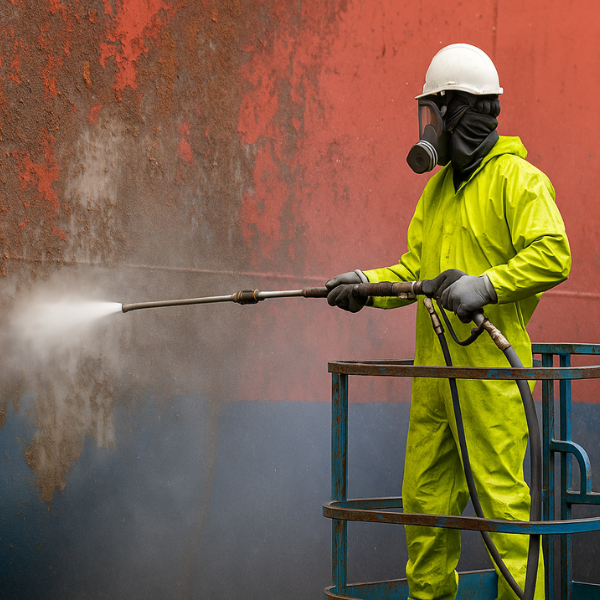
Water jetting systems for ship cleaning provide high-pressure water streams (up to 2800 bar) to clean and maintain vessels, including hulls, decks, and marine equipment. These systems efficiently remove marine fouling, rust, oil, dirt, paint, and grease, helping ships stay in good condition while minimizing downtime and maintenance costs.
Whether you need to clean a cargo ship, tanker, cruise liner, or offshore vessel, our water jetting systems offer eco-friendly, cost-effective, and non-abrasive cleaning for a wide range of vessels.
How ship cleaning with water jets works
Water jetting systems for ship cleaning operate by using high-pressure water streams to remove debris, marine growth, and other contaminants from ship surfaces. The key components of these systems include:
System components
High-Pressure Pump: Provides the necessary pressure (typically 500 bar to 2800 bar) to propel water through nozzles
Rotary Nozzles: Spins to cover a large area, ensuring efficient cleaning of wide surfaces
Flexible Lances & Hoses: Allow access to difficult-to-reach areas like hulls, pipes, and machinery
Control System: Regulates water flow and pressure for optimal cleaning performance
Water Recovery (Optional): Collects and filters used water for reuse or proper disposal
Technical Specifications
- Pressure Range: 500 – 2800 bar (customizable based on cleaning requirements)
- Flow Rate: 15 – 200 LPM
- Power Sources: Electric, Diesel, or Hydraulic-powered
- Pump Type: Triplex Plunger Pumps, Axial Piston Pumps for durability and high performance
- Nozzle Types: Rotary nozzles, fixed nozzles, and specialized nozzles for marine cleaning applications
- Mounting Options: Skid, Trailer, or Vehicle-mounted for mobility
- Hose Length: Flexible hoses up to 100 meters
- Water Recovery: Optional systems to collect, filter, and recycle water for reuse
Ship cleaning jobs we equip
-
Hull CleaningRemoves marine growth like barnacles, algae, and mussels that accumulate on ship hulls, improving fuel efficiency and speed
-
Deck CleaningCleans decks, removing dirt, oil, and contaminants for a safe and clean working environment
-
Cargo Holds & TanksPrepares cargo holds for new cargo by removing residues from previous loads, ensuring cleanliness and safety
-
Engine Room & Machinery CleaningCleans grease, oil, and dirt from engine room surfaces, pumps, and machinery
-
Underwater CleaningCleans below-waterline surfaces while the vessel is in dry dock
-
Pipe & Valve CleaningCleans pipelines, valves, and other critical components, ensuring proper water flow and functionality
-
Coating PreparationPrepares surfaces for painting or coating by removing old paint, rust, and contaminants
Advantages for ship operators and yards
-
Non-Abrasive & SafeCleans ships without causing damage to the surfaces, maintaining the integrity of the hull and other parts
-
Eco-Friendly & SustainableUses water without chemicals, providing an environmentally safe solution for ship cleaning
-
Fast & EfficientReduces cleaning time and downtime, allowing ships to return to service quickly
-
Cost-EffectivePrevents costly repairs and replacements by maintaining ships in good condition
-
Improved Fuel EfficiencyRegular cleaning of hulls removes marine fouling, leading to better fuel efficiency and performance
-
Versatile & CustomizableCan be used for cleaning various ship parts, including hulls, decks, engines, and tanks
Why marine crews choose Riggers Pumps
Our water jetting systems are designed to meet the demanding needs of the maritime industry. Here’s why our systems stand out:

-
High PerformanceDelivers powerful, high-pressure water jets for effective cleaning
-
DurabilityBuilt with high-quality materials to withstand the harsh marine environment
-
Eco-FriendlyUses water as a cleaning medium, eliminating the need for harsh chemicals
-
PortabilitySkid or trailer-mounted units for easy transport and mobility
-
Customizable SolutionsTailored to meet specific cleaning requirements, including pressure, flow, and nozzle configuration
Selecting pressure and flow for ship cleaning tasks
Routine ship cleaning covers very different surfaces. Set up the unit for the jobs your crew does most often.
Hull fouling
Barnacles, algae and mussels come off with rotary nozzles at moderate pressure; regular cleaning helps fuel efficiency.
Cargo holds and tanks
Residues from previous loads need good flow to wash out quickly, with lances to reach corners and frames.
Decks
Dirt, oil and contaminants clear with rotary nozzles or surface cleaning tools over large areas.
Machinery spaces
Use lower pressure and directed nozzles around engines, pumps and valves; protect electrical items and seals.
Coating preparation
Removing old paint and rust needs the higher end of the 500–2800 bar range; see our surface preparation page.
Reach and power
Hoses up to 100 m let the pump stay on the quay; diesel units suit berths without power.
How a Riggers Pumps order works
Three steps from enquiry to a tested machine on your site.
-
Share the job
Tell us the application, the pressure and flow you need (or the surface and dirt you are dealing with), power available and site conditions. Photos help.
-
We size and build
Our engineers match pump, drive, nozzle and accessories to the duty and send a clear technical offer.
-
Tested, delivered, supported
Each unit is pressure-tested before dispatch, and we stay on call for commissioning guidance, spares and service.
Frequently asked questions
Straight answers to what buyers ask us most. Can’t find yours? Ask our team.
What pressure is used for ship cleaning?
Ship cleaning typically uses 500–2800 bar, depending on the surface and contamination. Hull fouling, decks and holds are cleaned at the lower to middle range, while removing paint and rust for recoating uses higher pressure. Units can be customised for your mix of jobs.
Can water jetting damage the ship's surfaces?
Water jetting is non-abrasive, so it cleans without the wear of grit. With the right pressure and nozzle, it removes fouling and dirt while leaving sound coatings in place. Higher pressure is used only when the aim is to strip paint or rust.
Can jetting clean cargo holds between loads?
Yes. High pressure water removes residues from previous cargoes so holds and tanks are ready for the next load. Higher flow speeds up washing large holds, and flexible lances and long hoses help reach frames, corners and tank interiors. Tell us hold size and cargo types for a recommendation.
Does hull cleaning improve fuel efficiency?
Removing barnacles, algae and mussels from the hull reduces drag, which supports better fuel efficiency and speed. Regular cleaning before fouling becomes heavy is usually quicker and needs less pressure. Rotary nozzles at moderate pressure clear fouling without removing sound coatings. Tell us how often your vessels are cleaned.
How fast is water jetting compared with manual cleaning?
Water jetting cleans large areas much faster than manual scrubbing or abrasive methods, which reduces downtime and lets ships return to service sooner. Rotary nozzles and surface tools increase coverage on hulls and decks. Tell us the areas you clean most often so we can size flow and tooling.
Is water jetting environmentally friendly?
It uses water instead of harsh chemicals. Removed fouling, oil and paint still end up in the wash water, so our optional water recovery system can collect, filter and recycle water for reuse or proper disposal. Tell us your port or yard rules on wash water so we can size recovery.
Which power source suits marine use?
Diesel units suit docks and berths without convenient power and move easily between vessels. Electric units suit fixed yard positions with shore power. Hydraulic drive is available where hydraulics are already on site. Tell us where your crews work and we will recommend the drive and mounting.
What should I send for a quote?
Tell us the vessel types, main cleaning tasks (hull, holds, tanks, decks, machinery), contamination, hose reach, water recovery needs, power source and mounting preference. Photos of the surfaces and contamination help us recommend pressure and nozzles, and knowing your turnaround time helps us suggest capacity.
Related pumps and applications
Talk to an engineer
Equip your crew for faster ship cleaning
Share vessel types, cleaning tasks, reach and power available. We will recommend a jetting unit and nozzles.
- Call or WhatsApp+91 94870 87778
- Emailconnect@riggerspumps.com
- WorksAmbattur Industrial Estate, Chennai 600 098