Tank and vessel cleaning
Tank and reactor cleaning pumps and systems
High pressure water jetting systems that remove build-up from reactor walls, agitator blades, vessel jackets and storage tanks, for faster batches and less downstream contamination.
- Manual or automatic
- Reactors, jackets, agitators
- Storage tanks and silos
- Chemical, petrochemical, brewery
- Pressure-tested before dispatch
- Spares and accessories in Chennai
- Supplied across India and the Gulf

Why reactors and tanks need regular high pressure cleaning
Riggers Pumps is a top manufacturer, supplier, and exporter of Tank and Reactor Cleaning System. It is the most essential In the industries. production of most of chemicals, petrochemicals, breweries and other process industries, the internal surfaces of vessel cleaning and reactor cleaning at internal surface must be cleaned on a regular basis. There is usually a build up of contamination on the reactor walls and on the agitator blade surfaces. which can be easilly cleaned with high pressure tank cleaning Equipments. This build up results in inefficiencies and also the risk of downstream contamination due to debris falling off. Likewise cleaning of jackets of vessels is as important as cleaning of reactor vessel. If a reactor jacket becomes fouled

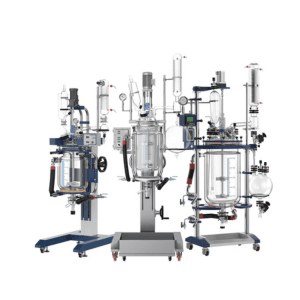

In the production of most chemicals and petrochemicals, in breweries and in other process industries, the internal surfaces of reactors and vessels must be cleaned regularly. There is usually a build up of contamination on the reactor walls and on the agitator blade surfaces, which can be easily cleaned with high pressure tank cleaning equipment. This build up results in inefficiencies and also the risk of downstream contamination due to debris falling off. Likewise cleaning of jackets of vessels is as important as cleaning of reactor tank. If a reactor jacket becomes fouled, a plant can face serious consequences. Over a period of time internal fouling of the jackets in tanks & vessels reduces heat transfer efficiencies, increases reaction times and can reduce yield. In addition, this loss of efficiency can lower a plant's profitability due to the production of off-quality product, increased maintenance expense and higher capital costs due to shorter equipment service life.
Clean tank and reactor vessels result in faster batch runs, lower plant operating costs and less down time due to downstream contamination. To achieve these results, regular tank cleaning by high pressure water jetting systems is required. Cleaning reactor vessels with high pressure hydro blasting equipment improves heat transfer efficiency, resulting in production and efficiency gains ultimately lowering a plant's total cost of operation.
Typical tank cleaning jobs include water tanks, ship tanks, storage tanks and silos.
There are two main types of reactor and tank cleaning systems: manual hydro blasting machines, and automatic hydro blasting machines.
What to tell us for an accurate tank cleaning quote
Tank and reactor cleaning systems are sized around the vessel and the deposit. Share these details so we can recommend pump, tools and a manual or automatic set-up.
Vessel type and size
Reactor, jacketed vessel, storage tank, ship tank or silo, with diameter, height and manway size.
Deposit type
Polymer, product residue, scale, sludge or crystallised material on walls, agitator blades or in the jacket.
Manual or automatic
Manual hydro blasting with a gun and lance, or an automatic system with a tank cleaning head that avoids vessel entry.
Cleaning frequency
Batch-to-batch, scheduled shutdown or occasional cleaning, which decides duty rating and automation level.
Site conditions
Power supply, hazardous-area classification, water source and how waste water will be collected.
Pressure and flow
Working pressure and flow you use today if known, or we will recommend them from the deposit and vessel size.
How a Riggers Pumps order works
Three steps from enquiry to a tested machine on your site.
-
Share the job
Tell us the application, the pressure and flow you need (or the surface and dirt you are dealing with), power available and site conditions. Photos help.
-
We size and build
Our engineers match pump, drive, nozzle and accessories to the duty and send a clear technical offer.
-
Tested, delivered, supported
Each unit is pressure-tested before dispatch, and we stay on call for commissioning guidance, spares and service.
Frequently asked questions
Straight answers to what buyers ask us most. Can’t find yours? Ask our team.
Why do tanks and reactors need regular high pressure cleaning?
Build-up on reactor walls, agitator blades and vessel jackets reduces heat transfer, lengthens reaction times and can lower yield. Debris falling off can also contaminate downstream product. Regular high pressure water jetting keeps batches faster, reduces off-quality product and lowers maintenance cost.
Which industries use tank and reactor cleaning systems?
They are used in chemical and petrochemical plants, breweries and other process industries, as well as for water tanks, ship tanks, storage tanks and silos. Any vessel where product or scale builds up on internal surfaces can benefit. Tell us your industry and vessel type so we can recommend tools that suit.
What is the difference between manual and automatic systems?
A manual hydro blasting machine uses an operator with a gun and lance, which suits occasional cleaning and varied vessels. An automatic system uses a cleaning head lowered into the vessel, which gives repeatable cleaning, reduces operator exposure and often avoids confined-space entry.
Why is cleaning the reactor jacket important?
A fouled jacket reduces heat transfer just as much as fouling inside the vessel. Over time this increases reaction times, reduces yield, raises maintenance cost and can shorten equipment life. Jacket cleaning should be planned along with internal cleaning. Tell us the jacket design and fouling type so suitable tools can be suggested.
Can high pressure water clean agitator blades without removing them?
In many cases, yes. A high pressure jet from a lance or an automatic cleaning head can reach agitator blades and shaft inside the vessel. Share the agitator design and access points so we can recommend suitable tools. Automatic heads can be positioned to cover the agitator area during each cycle.
What details should I share for a quote?
Tell us the vessel type and size, manway size, the deposit you need to remove, how often you clean, whether you prefer manual or automatic cleaning, and site details such as power and hazardous-area classification. These let us size the pump and tools correctly.
Is high pressure tank cleaning safe?
It is safe when operators are trained, wear proper protective equipment and use pressure-rated hoses, guns and fittings. For work inside vessels, follow confined-space entry and gas-testing procedures, or use an automatic system to avoid entry. Automatic systems also reduce the time operators spend near the high pressure jet.
Should I choose an electric or diesel unit?
Choose electric for plant use where a stable power supply is available; it has no exhaust and needs less maintenance. Choose diesel for remote or outdoor sites, such as storage tank farms without power. Hazardous areas may need specially protected drives.
Related pumps and applications
Talk to an engineer
Get a tank cleaning system sized for your vessels
Send vessel type and size, deposit, cleaning frequency and manual or automatic preference. We will recommend a system and share a quote.
- Call or WhatsApp+91 94870 87778
- Emailconnect@riggerspumps.com
- WorksAmbattur Industrial Estate, Chennai 600 098