
High Pressure Flow Sensor in India
Riggers Pump is a leading supplier of high pressure flow sensors in India, delivering precision monitoring solutions for industries that demand accuracy, durability, and safety. Our flow sensors are designed for pressure washers, hydraulics, chemical processing, oil & gas, and industrial water jetting systems, with ranges from 70 bar to 1000 bar (1000 PSI to 14,500 PSI).
Engineered with robust materials and advanced sensing technology, our industrial high pressure flow sensors provide reliable data for controlling flow and pressure in demanding applications.
Features of High Pressure Flow Sensors

Robust and Durable Build
High-Pressure Tolerance: Rated for pressures up to 10,000 PSI and beyond, ideal for extreme industrial use.Corrosion-Resistant Materials: Available in stainless steel, titanium, and high-grade alloys for harsh environments. Temperature Resistance: Performs in both high and low temperature conditions.

Accuracy and Sensitivity
High Precision: ±0.5% to ±1% full-scale accuracy ensures consistent flow monitoring.High Sensitivity: Detects even small changes in flow rate. Repeatability and Stability: Minimal drift for long-term accuracy.

Wide Range of Flow Measurement
Broad Flow Range: Measures both low and high flow rates accurately.Bi-Directional Sensing: Capable of detecting flow in both directions.

Compatibility with Various Media
Multi-Fluid Performance: Works with water, oils, fuels, gases, and chemicals. Optional Non-Intrusive Designs: Prevents contamination and reduces downtime.

Real-Time Data Monitoring and Output
Fast Response Time: Near-instant feedback for dynamic systems.Analog & Digital Outputs: Options include 4–20mA, 0–10V, and digital signals for PLC/SCADA integration. Data Logging Capability: Advanced models allow data storage for diagnostics and performance analysis

Easy Installation and Maintenance
Compact Design: Space-saving footprint for tight installations.Modular Assembly: Easy maintenance and component replacement.Self-Diagnostics: Alerts for calibration, health status, and performance.

Vibration and Shock Resistance
Anti-Vibration Design: Stable readings in high-vibration environments.Secure Mounting Options: Prevents sensor displacement under stress.

Compliance and Certifications
Certified for Industrial Applications: Meets CE, ATEX, and UL standards.High IP/NEMA Ratings: IP65/IP67 or NEMA 4/4X protection against dust and water ingress.
Applications of High Pressure Flow Sensors
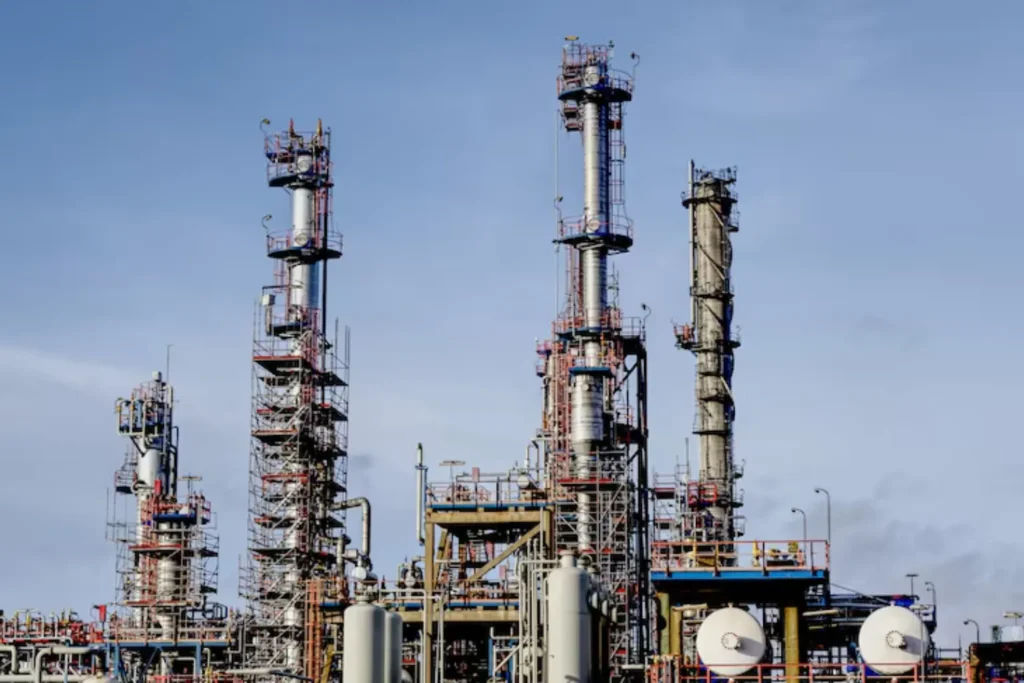
Oil & Gas Industry
Pipeline Monitoring: Monitors crude oil, natural gas, and refined product flows.Wellhead & Subsea Monitoring: Withstands extreme pressures and subsea conditions
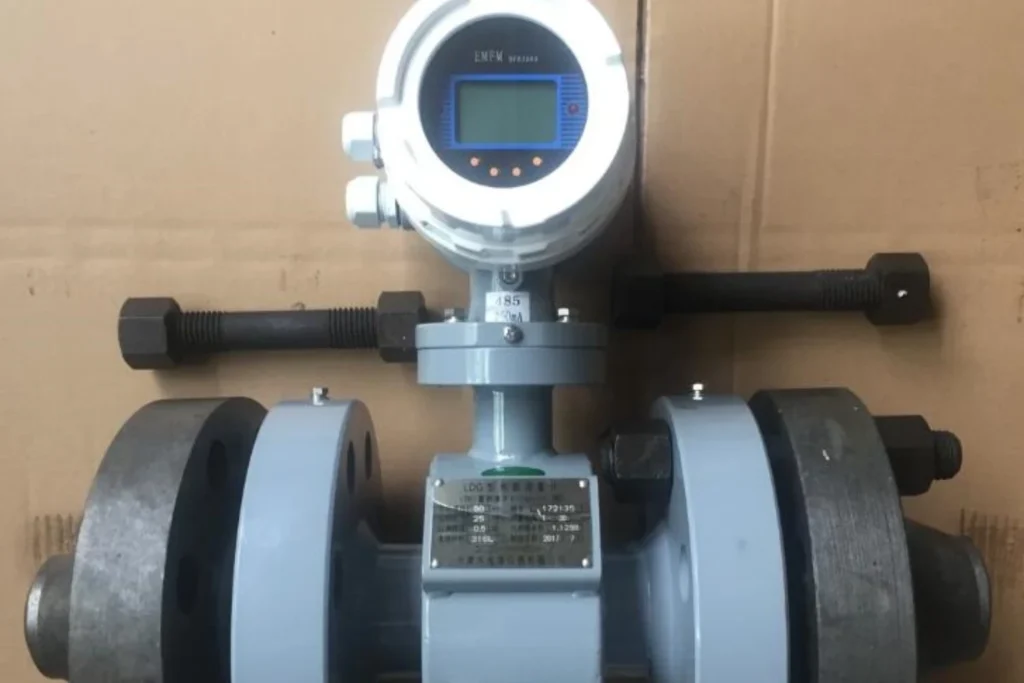
Hydraulic Systems
Automotive & Industrial Hydraulics: Maintains oil flow in injection molding, presses, and automotive systems.Mobile Equipment: Provides precise flow monitoring in excavators, cranes, and heavy machinery.
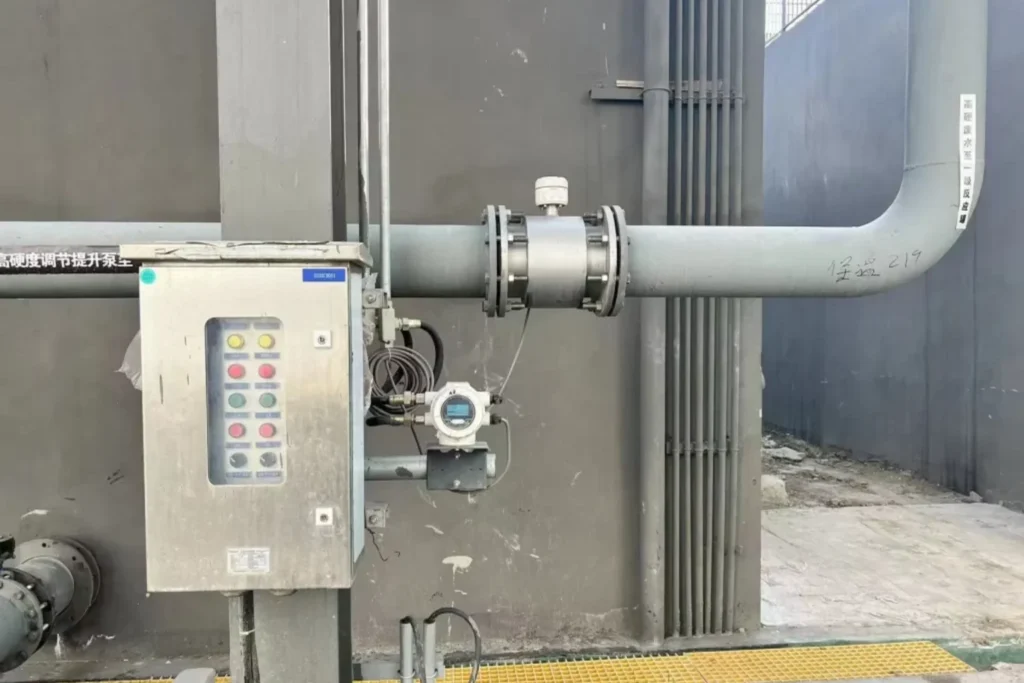
Chemical Processing
Injection & Dosing Systems: Maintains precise chemical flow under pressure.Corrosive Fluids: Resistant to aggressive chemical environments.
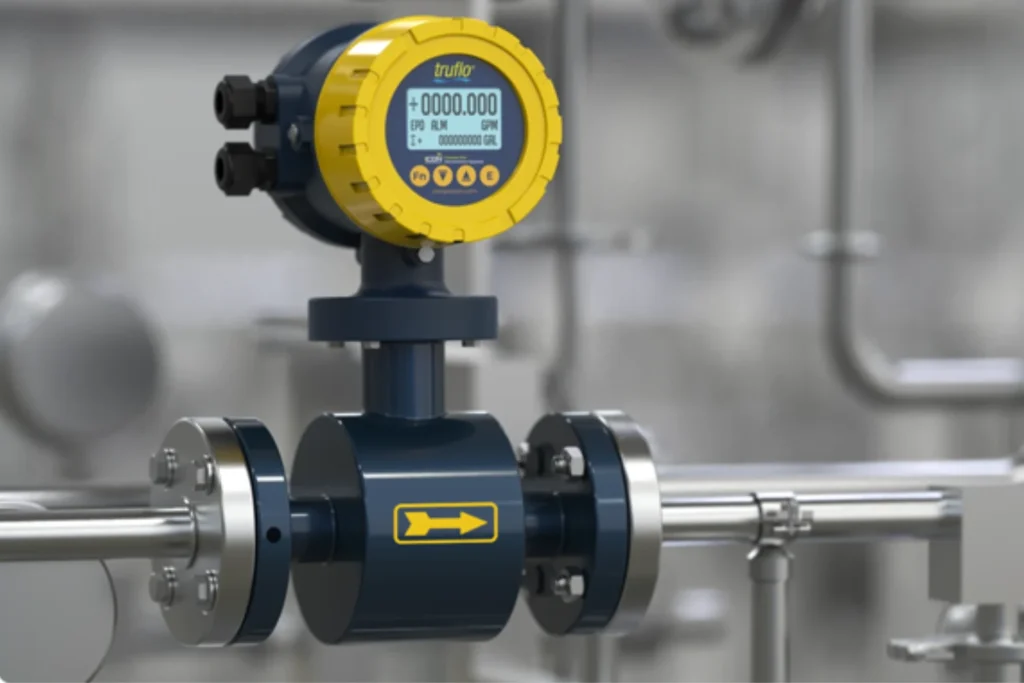
Water Treatment & Management
Reverse Osmosis Plants: Monitors flow for desalination and purification.High-Pressure Cleaning: Ensures correct flow in industrial washers.
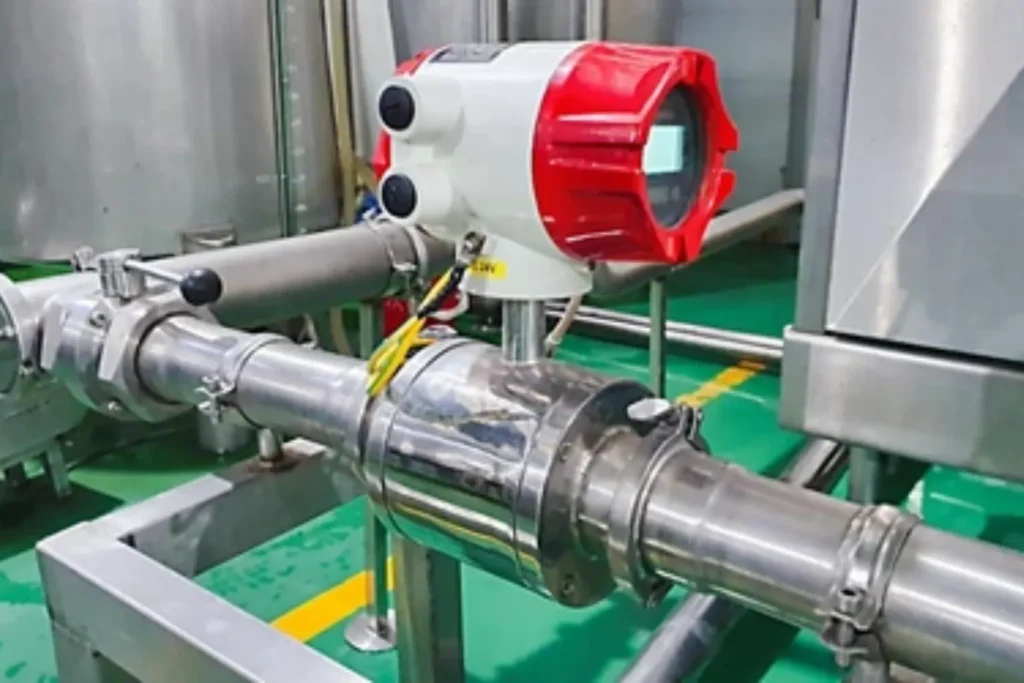
Automotive Industry
Fuel Injection Systems: Measures fuel flow in direct injection engines.Engine Calibration Benches: Supports accurate testing and development
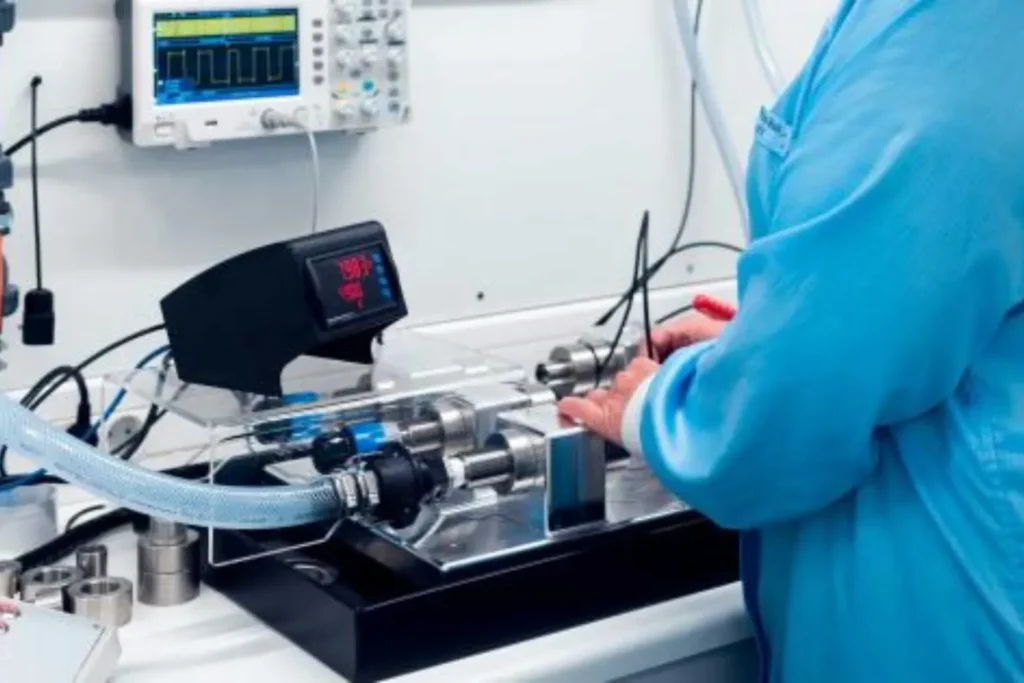
Food & Beverage Processing
High-Pressure Pasteurization: Ensures quality and compliance in food safety processes.Carbonation Systems: Maintains CO₂ flow for consistent beverage production.
Why Choose Riggers Pump for High Pressure Flow Sensors?
Riggers Pump is a leading manufacturer and supplier of high pressure flow sensors in India, delivering solutions trusted by oil & gas, hydraulics, water jetting, and process industries.
Our industrial high pressure flow sensors are built for ±0.5% to ±1% accuracy, ensuring reliable flow and pressure monitoring.
We supply stainless steel high pressure flow sensors and titanium options, resistant to corrosion, chemicals, and extreme temperatures.
From digital high pressure flow sensors with PLC/SCADA outputs to hydraulic models for heavy machinery, we provide cutting-edge solutions.
All sensors comply with CE, ATEX, and ISO standards, ensuring safety in hazardous and high-pressure environments.
Installation, calibration, spare parts, and after-sales service from a proven Indian supplier.
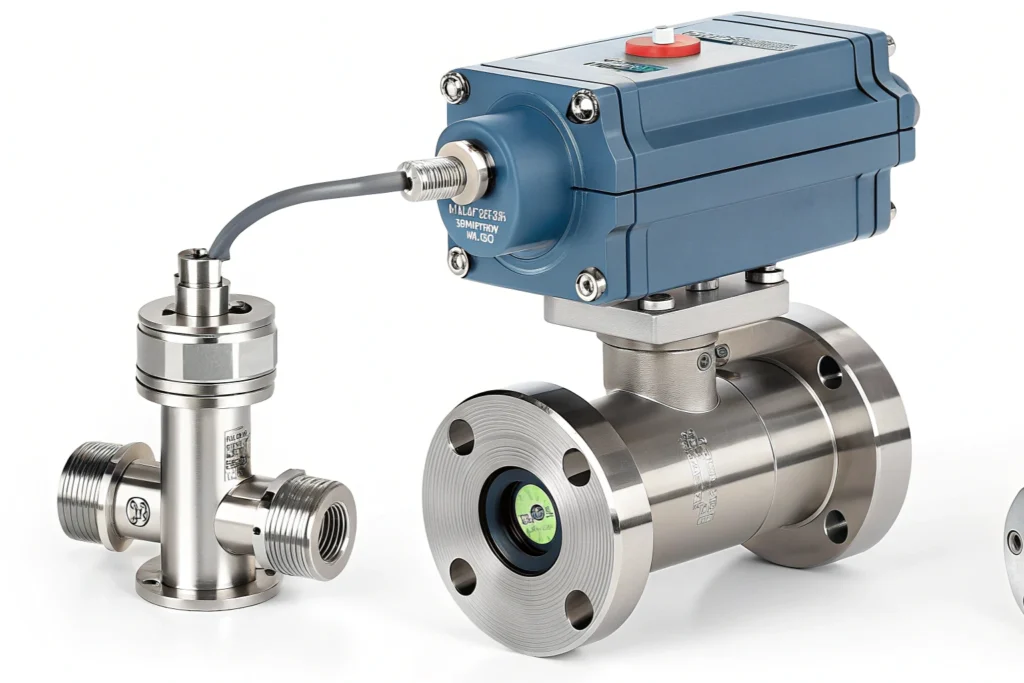
FAQs on High Pressure Flow Sensors
What is a High Pressure Flow Sensor and what does it do?
A high pressure flow sensor measures flow in pressurized systems so operators can monitor, control, and protect industrial processes. It helps maintain accuracy and reliability in applications where stable flow measurement is important.
Where is a High Pressure Water Flow Sensor commonly used?
A high pressure water flow sensor is commonly used in water jetting equipment, pressure washers, hydraulic systems, industrial cleaning units, water treatment plants, and other high-pressure fluid applications where accurate monitoring is needed.
How does an Industrial Flow Sensor work in high-pressure systems?
An industrial flow sensor works by detecting the movement of fluid through a sensing element and converting that measurement into a readable output signal. Depending on the sensor type, it may use mechanical, electronic, magnetic, ultrasonic, or thermal sensing methods to monitor flow in real time.
What is the typical pressure range supported by a High Pressure Flow Meter Sensor?
The typical pressure range supported depends on the model, but a high pressure flow meter sensor is often available for applications from 70 bar to 1000 bar (1000 PSI to 14,500 PSI). The correct sensor should be selected based on system pressure, flow rate, and operating conditions.
What are the different types of High Pressure Flow Sensor available?
Different types of high pressure flow sensor include turbine flow sensors, magnetic flow sensors, ultrasonic flow sensors, thermal flow sensors, positive displacement sensors, and inline electronic flow sensors. The best option depends on the fluid, required accuracy, installation setup, and output requirement.
What output signals are available in a Water Flow Monitoring Sensor?
A water flow monitoring sensor can be supplied with different output signals depending on the control system and application. Common options include 4–20 mA, 0–10 V, pulse output, frequency output, and digital communication signals for PLC or SCADA integration.
How accurate is an Industrial Water Flow Sensor?
The accuracy of an industrial water flow sensor depends on the model and application. In many industrial uses, sensors are available with accuracy levels around ±0.5% to ±1% full scale. Actual performance can also be influenced by installation quality, fluid condition, and system stability.
Can a High Pressure Liquid Flow Sensor handle dirty or contaminated fluids?
Some high pressure liquid flow sensor models can handle dirty or contaminated fluids, but this depends on the sensing technology and internal design. For fluids with particles or sludge, the sensor should be selected carefully to avoid clogging, wear, or reduced accuracy.
What factors should be considered before selecting an Industrial Flow Sensor?
Before selecting an industrial flow sensor, buyers should consider the pressure range, flow range, fluid type, viscosity, temperature, required accuracy, output signal, installation method, connection size, material compatibility, and maintenance needs. The right sensor should match the full operating condition.
Can a High Pressure Pump Flow Sensor be used with high pressure pumps?
Yes, a high pressure pump flow sensor can be used with high pressure pumps when the sensor pressure rating, media compatibility, and flow range match the pump system. It is often used to monitor pump performance, detect flow changes, and improve control in high-pressure applications.
How do you install a High Pressure Water Flow Sensor correctly?
A high pressure water flow sensor should be installed according to the recommended flow direction, pressure rating, connection standard, and mounting orientation. Installation should also consider straight pipe length if required, vibration control, sealing quality, electrical connection, and access for maintenance or calibration.