RO water treatment
Reverse osmosis high pressure pumps for RO systems
The pump that drives feed water through your RO membrane. Electric-driven units from 100–1000 psi in corrosion-resistant materials, sized to your membrane, flow and water quality.
- 100–1000 psi
- Triplex plunger options
- Stainless steel or composite
- Electric driven
- Pressure-tested before dispatch
- Spares and accessories in Chennai
- Supplied across India and the Gulf
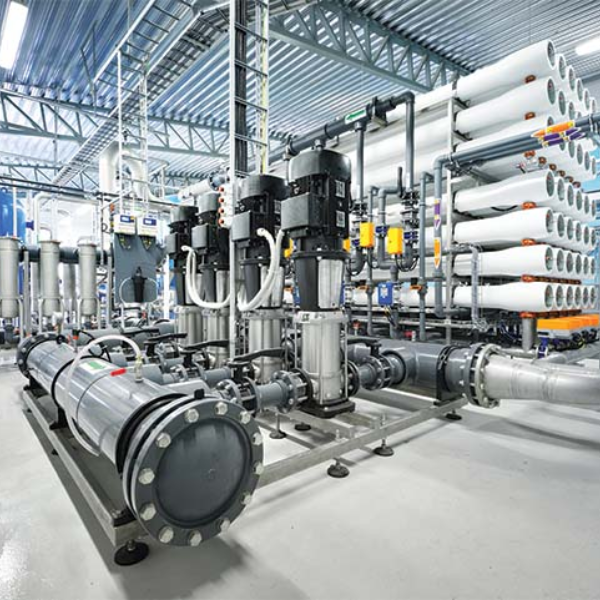
A reverse osmosis high pressure pump is a critical component in RO (Reverse Osmosis) water treatment systems, responsible for generating the necessary pressure to push water through the semipermeable membrane. This high-pressure pump ensures the efficient removal of impurities, salts, and contaminants from water, providing clean, purified water for various applications like desalination, industrial water treatment, wastewater treatment, and drinking water purification.
Our reverse osmosis high-pressure pumps are designed for reliable performance, energy efficiency, and long-term durability, suiting both commercial and industrial RO systems.
How an RO high pressure pump works
The reverse osmosis process requires high pressure to force water through the semi-permeable membrane, separating impurities from clean water. The components of the RO high-pressure pump system include:
Main parts of the pump system
High-Pressure Pump: The pump generates the necessary pressure (typically between 100-1000 psi) to push water through the RO membrane
Electric Motor: Powers the high-pressure pump to ensure continuous water flow
Control Valve: Regulates water flow and pressure to maintain optimal system performance
Pressure Relief Valve: Protects the system from over-pressurization and ensures safe operation
Seal & Gasket Materials: Made from corrosion-resistant materials to withstand harsh operating conditions
Technical specifications
- Pressure Range: 100 psi to 1000 psi (customizable based on system requirements)
- Flow Rate: 10 GPM to 500 GPM (depending on the application and system size)
- Power Source: Electric (AC or DC)
- Pump Type: Triplex plunger pump, diaphragm pump, or centrifugal pump
- Material: Corrosion-resistant materials such as stainless steel or composite for durability
- Seals & Gaskets: Made from high-quality, durable materials designed to withstand high pressure and water contaminants
- Energy Recovery Options: Energy recovery devices to enhance efficiency (optional)
Where RO high pressure pumps are used
-
Desalination PlantsConverts seawater into potable water for drinking or industrial use
-
Industrial Water TreatmentProvides purified water for power generation, chemical manufacturing, and other industrial operations
-
Wastewater TreatmentTreats wastewater to make it suitable for reuse in industrial or domestic purposes
-
Drinking Water PurificationUsed in both residential and commercial water purification systems
-
Food and Beverage IndustryEnsures purified water for processing, bottling, and quality control
-
PharmaceuticalsProvides ultra-pure water required for manufacturing medications and other pharmaceutical products
Advantages for RO plant operators
-
Reliable PerformanceDesigned for continuous operation in demanding water treatment systems
-
Energy EfficiencyOptimized to reduce power consumption while maintaining high pressure for effective filtration
-
Corrosion ResistanceBuilt to last in harsh environments, using materials that resist damage from water contaminants
-
Easy MaintenanceLow-maintenance design with long-lasting components that extend pump life
-
High-Quality PurificationEnsures efficient separation of contaminants and improves water quality
-
Compact & Modular DesignEasy to integrate into existing reverse osmosis systems
Why RO builders work with Riggers Pumps
Our reverse osmosis high-pressure pumps are engineered for high performance and long-term durability. Here is what they offer your water treatment system:

-
High-Performance DesignProvides consistent high-pressure water flow for efficient RO filtration
-
Energy-EfficientMinimizes energy consumption while maintaining optimal performance
-
DurabilityMade from high-quality, corrosion-resistant materials to withstand harsh conditions
-
Customizable OptionsAvailable in various sizes and capacities to suit specific system requirements
-
Full SupportWe provide installation, maintenance, and after-sales support to ensure seamless operation
What to tell us for an accurate quote
An RO pump is matched to the membrane and the water you treat. These details let us propose the pump type, pressure and motor.
Feed water
Seawater, brackish water, wastewater or municipal supply. Salinity and contaminants largely decide the operating pressure.
Membrane pressure
The operating pressure your membrane supplier specifies, and the maximum it must not exceed.
Flow required
Feed flow to the membranes and the permeate output you need per hour or per day.
Duty cycle
Continuous or intermittent operation, which affects seal choice and motor sizing.
Materials
Whether wetted parts must be stainless steel or composite for your water chemistry.
Power and controls
Supply voltage, any VFD or panel requirement, and whether you want an energy recovery device.
How a Riggers Pumps order works
Three steps from enquiry to a tested machine on your site.
-
Share the job
Tell us the application, the pressure and flow you need (or the surface and dirt you are dealing with), power available and site conditions. Photos help.
-
We size and build
Our engineers match pump, drive, nozzle and accessories to the duty and send a clear technical offer.
-
Tested, delivered, supported
Each unit is pressure-tested before dispatch, and we stay on call for commissioning guidance, spares and service.
Frequently asked questions
Straight answers to what buyers ask us most. Can’t find yours? Ask our team.
What pressure does a reverse osmosis high pressure pump need?
Typically 100–1000 psi, depending on the application, membrane type and feed water quality. Lighter treatment, such as low-salinity water, runs at the lower end, while desalination and demanding filtration need higher pressure. Always work from the membrane supplier's operating pressure when sizing the pump.
Which pump types are used in RO systems?
Triplex plunger pumps, diaphragm pumps and centrifugal (including multistage) pumps are all used. The right type depends on the pressure, flow rate, system size and operating conditions. Plunger pumps suit high pressure at moderate flow; centrifugal pumps suit larger flows.
Which RO pump suits a desalination plant?
Desalination needs a pump with strong pressure capability, corrosion-resistant construction and reliable continuous-duty operation. Selection depends on system size, salinity and required water output, so share these with us and we will propose a pump and motor. Seawater systems usually run at the higher end of the 100–1000 psi range.
What materials are used for RO high pressure pumps?
Corrosion-resistant materials such as stainless steel or composite are used for wetted parts, with seals and gaskets chosen to withstand high pressure and the contaminants in the feed water. Saline and treated wastewater call for careful material selection. Tell us the feed water analysis so materials can be chosen correctly.
Can these pumps be used for wastewater treatment?
Yes. They can be used in RO-based wastewater systems where treated water must be purified further for reuse or controlled discharge. Tell us what the feed water contains so the right materials and pre-filtration needs are considered. Pre-treatment upstream of the membrane protects both the membrane and the pump.
What is a multistage RO high pressure pump?
It is a centrifugal pump with several impellers or stages that build pressure step by step. It is used where an RO system needs stable pressure and energy-efficient operation at higher flows. For high pressure at moderate flow, a triplex plunger pump is an alternative. We help you weigh up both options.
What protects the RO system from over-pressure?
A pressure relief valve protects the membrane and pipework from over-pressurisation, while a control valve regulates flow and pressure to keep the system at its operating point. Both are part of a properly built RO pump system. Set the relief valve below the maximum pressure rating of the membrane and housings.
Can energy consumption be reduced?
Yes. Pumps are sized to deliver the required pressure without wasted power, and energy recovery devices can be added as an option to improve efficiency, particularly on larger systems. Tell us your operating hours and power tariff, and we can consider efficiency when recommending the pump and motor.
How do I choose the right RO high pressure pump?
Start with the membrane operating pressure and required flow, then consider feed water quality, duty cycle, materials and power supply. A pump for desalination, wastewater, industrial RO or drinking water may each need different specifications, so share these details for a recommendation.
Related pumps and applications
Talk to an engineer
Get an RO pump matched to your membrane
Share feed water type, membrane pressure, flow and duty cycle. We will recommend the pump type and motor. Call +91 94870 87778.
- Call or WhatsApp+91 94870 87778
- Emailconnect@riggerspumps.com
- WorksAmbattur Industrial Estate, Chennai 600 098