Food plant hygiene
Water jetting system for food industry cleaning
Remove grease, food residue, oil and biofilm from floors, drains, walls, tanks and handling equipment with high pressure water and less reliance on harsh chemicals.
- 15–200 LPM
- Electric for indoor use
- Rotary and fixed nozzles
- Floors, drains and tanks
- Pressure-tested before dispatch
- Spares and accessories in Chennai
- Supplied across India and the Gulf
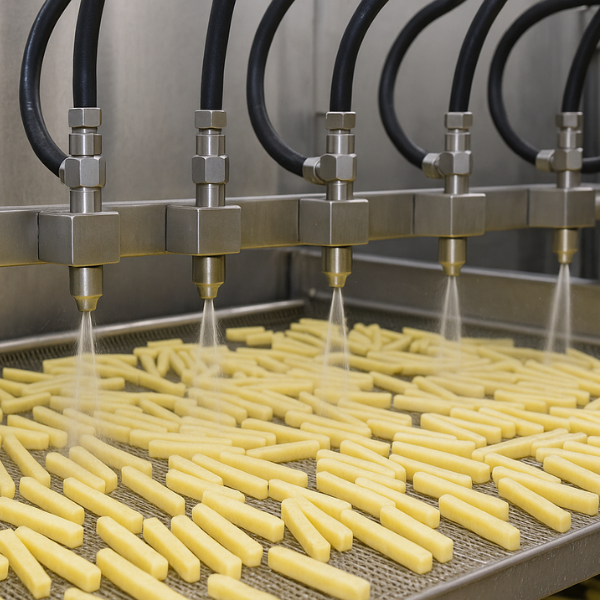
Water jetting systems for the food industry offer a high-pressure water solution for cleaning, sanitizing, and maintaining equipment, surfaces, and facilities within food processing plants. These systems are designed to effectively remove grease, food residues, oils, biofilms, and contaminants without damaging equipment or surfaces. Whether used for food production lines, kitchen equipment, storage tanks, or cooling systems, water jetting provides an eco-friendly, non-abrasive, and efficient cleaning method that ensures food safety, hygiene, and operational efficiency.
Our water jetting systems are designed to meet the rigorous cleaning requirements of the food industry, supporting your hygiene routines while improving productivity and reducing operational downtime.
How water jetting cleans food plants
Water jetting systems for the food industry use high-pressure water streams to effectively clean surfaces and equipment. The key components of these systems include:
Main components of the system
High-Pressure Pump: Delivers water at pressures ranging from 500 bar to 2800 bar, depending on the type of contamination and surface
Nozzles: Rotary nozzles or fixed nozzles direct water jets across the surface to remove contaminants, grease, and residues
Flexible Hoses & Lances: Reach deep into equipment or confined areas, ensuring thorough cleaning in hard-to-reach places
Control System: Allows for precise regulation of water pressure and flow rate to optimize cleaning efficiency
Technical specifications
- Pressure Range: 500 – 2800 bar (customizable for various cleaning applications in the food industry)
- Flow Rate: 15 – 200 LPM
- Power Source: Electric, Diesel, or Hydraulic-powered units
- Pump Type: Triplex Plunger Pumps or Axial Piston Pumps for consistent, reliable performance
- Nozzle Types: Rotary nozzles, fixed nozzles, and specialized nozzles for different cleaning tasks
- Mounting Options: Skid, Trailer, or Vehicle-mounted for flexibility and mobility across different cleaning locations
- Water Recovery: Optional systems for collecting, filtering, and reusing water to minimize waste and comply with environmental regulations
- Control Systems: Manual or automated control for precise water flow and pressure management
Where food plants use water jetting
-
Food Processing EquipmentCleans production lines, mixers, conveyors, and cutting tools by removing food residues, oils, and grease
-
Packaging MachinesRemoves contaminants from packaging equipment to ensure safe and clean product packaging
-
Storage TanksCleans fermentation tanks, holding tanks, and vessels that store ingredients or food products, ensuring proper sanitation
-
Cooling and Freezing SystemsRemoves ice buildup, grease, and residue from cooling or freezing units, ensuring consistent operation
-
Industrial KitchensCleans ovens, stoves, cookers, and other kitchen equipment, maintaining a hygienic cooking environment
-
Surface CleaningCleans floors, walls, and workstations, ensuring that food production areas meet cleanliness standards
-
Drain and Sewer SystemsRemoves grease, food particles, and waste from drains and sewer lines, preventing blockages and contamination
Why jetting suits food plant cleaning
-
Non-DamagingCleans sensitive surfaces without causing wear or damage to equipment, ensuring longevity
-
Eco-FriendlyReduces the need for chemicals and abrasive materials, offering an environmentally safe solution
-
Efficient CleaningQuickly removes food residues, oils, grease, and contaminants, ensuring minimal downtime
-
Improved Hygiene & ComplianceRestores cleanliness and supports your food safety and hygiene routines
-
Cost-EffectiveReduces overall cleaning costs by eliminating the need for harsh chemicals and abrasive cleaning tools
-
FlexibleSuitable for a variety of food industry applications, from production lines to storage tanks
What you get with a Riggers Pumps food plant system
Our high-pressure water jetting systems are designed to meet the cleaning and sanitation needs of the food industry. Here is what they offer:
-
High PerformanceProvides powerful, high-pressure water jets that efficiently remove contaminants, oils, and residues
-
DurabilityBuilt with corrosion-resistant materials for long-lasting performance in industrial food environments
-
Customizable SolutionsTailored systems to meet your specific pressure, flow, and nozzle configuration needs
-
Portable & FlexibleAvailable in skid, trailer, or vehicle-mounted models for easy deployment at different cleaning sites
-
Comprehensive SupportFull installation, training, and after-sales service to ensure smooth operation and optimal system performance
Selecting pressure and flow for food plant cleaning
Food plants need different settings for floors, drains and tanks. These are the points we use to recommend a pump and accessories.
Cleaning area
Routine floor and wall washing needs lower pressure with good flow; grease-laden drains and tough residue need more pressure.
Residue type
Fat, oil, starch, sugar, protein residue and biofilm respond differently; some lines also use hot water or detergent, so tell us your current method.
Indoor or outdoor
Electric units suit indoor production and wash areas; diesel suits yards, vehicle bays and outdoor zones without power.
Fixed or mobile
A fixed skid with hose reels covers one wash zone; a trolley or trailer unit moves between areas.
Contact vs non-contact surfaces
Confirm which surfaces touch product, so nozzles, hoses and procedures fit your hygiene plan.
Water and drainage
Share water source and drain capacity; optional recovery can filter and reuse water where needed.
How a Riggers Pumps order works
Three steps from enquiry to a tested machine on your site.
-
Share the job
Tell us the application, the pressure and flow you need (or the surface and dirt you are dealing with), power available and site conditions. Photos help.
-
We size and build
Our engineers match pump, drive, nozzle and accessories to the duty and send a clear technical offer.
-
Tested, delivered, supported
Each unit is pressure-tested before dispatch, and we stay on call for commissioning guidance, spares and service.
Frequently asked questions
Straight answers to what buyers ask us most. Can’t find yours? Ask our team.
Which water jetting system is suitable for floor cleaning in food plants?
An electric jetting unit with moderate pressure, good flow and a wide-spray or rotary floor nozzle suits factory floors, wet processing areas and service zones. Lower pressure with more flow removes residue without spraying it back onto equipment. Tell us the floor area and residue type for a recommendation.
Can water jetting be used for drain cleaning in food factories?
Yes. Water jetting is widely used to clear grease, food particles and waste build-up from food factory drains and sewer lines. A rotary or penetrating drain nozzle on a flexible hose scours the pipe wall and flushes debris out, which helps prevent blockages, odours and contamination.
What pressure range is suitable for food plant cleaning?
It depends on the area. Routine floor and surface cleaning needs lower pressure, while drains, heavy grease and baked-on residue may need higher pressure. Using more pressure than needed can damage surfaces and spread contamination. We recommend a working range once we know the areas and residue you clean.
Is an electric or diesel system better for food facility cleaning?
Electric is usually better for indoor plant cleaning where stable power is available; it has no exhaust and runs quietly. Diesel suits outdoor yards, vehicle bays and mobile cleaning where power is not available. Many plants use an electric unit inside and a diesel unit for external areas.
Can water jetting be used for walls, bins, crates and vehicles?
Yes. Water jetting cleans washable walls, service corridors, loading areas, bins, crates, waste collection points and transport or service vehicles used on site. A single unit with the right lances and nozzles can cover several of these tasks, keeping non-product-contact areas clean and hygienic.
How often should water jetting be used in a food facility?
Use it as part of your regular cleaning schedule, based on production activity, waste and grease build-up and hygiene requirements. High-residue areas such as drains and wash zones may need daily or per-shift cleaning; other areas weekly. Follow your plant's sanitation plan for exact frequencies.
Does water jetting replace chemical sanitation?
Not completely. Water jetting removes residue, grease and biofilm physically and reduces the amount of chemicals needed, but many food plants still follow it with an approved sanitiser step. Use jetting to clean, then sanitise as your food safety plan requires.
What details should I share for a quote?
Send the areas to clean (floors, drains, walls, tanks, bins, vehicles), residue types, indoor or outdoor use, power source, whether the unit is fixed or mobile, hose reach needed and water supply. Mention any hot-water or detergent requirement. We will recommend pressure, flow and accessories.
Related pumps and applications
Talk to an engineer
Get a cleaning system matched to your food plant
Tell us the areas, residue types and power source. We will recommend pressure, flow, nozzles and a fixed or mobile setup.
- Call or WhatsApp+91 94870 87778
- Emailconnect@riggerspumps.com
- WorksAmbattur Industrial Estate, Chennai 600 098