Drone-Based High Pressure Washing for Wind Turbines
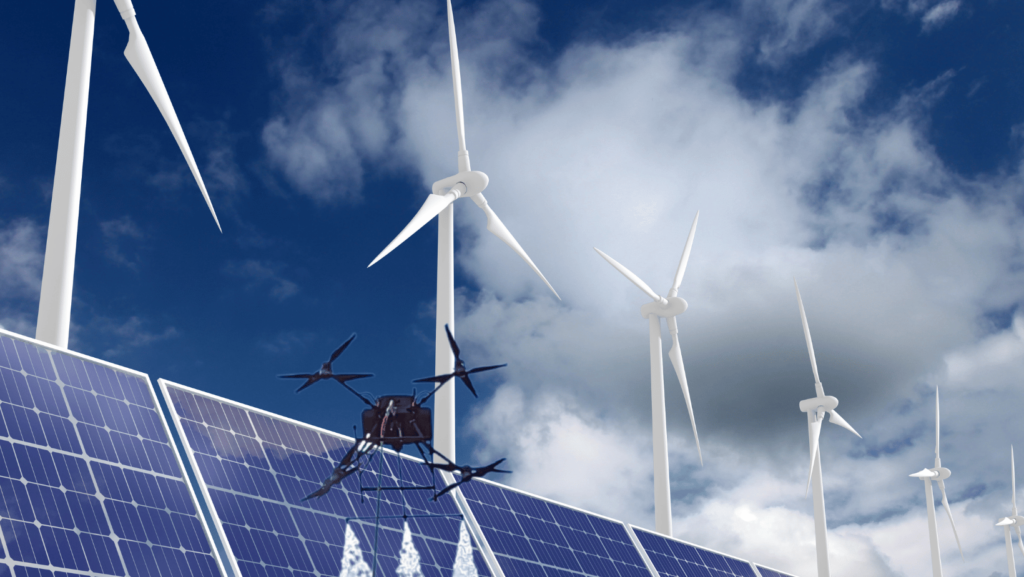
Boost turbine performance, cut maintenance costs, and improve safety with our cutting-edge drone-powered cleaning system. Designed for modern wind farms, our high-pressure drone solution cleans turbine blades, towers, and nacelles with unmatched speed, precision, and eco-efficiency—without putting technicians at risk.
Traditional Cleaning Challenges
Extreme Heights: Utility-scale turbines can exceed 120 m, making rope access and boom lifts dangerous and logistically difficult.
Safety Hazards: Falls, gusty winds, and difficult terrain increase risks for technicians.
Cost & Downtime: Equipment rental, crew deployment, and shutdown time inflate operational costs.
Environmental Limitations: Manual methods often result in high water use and runoff—challenging to manage in off-grid locations.
Introducing Our Drone-Based High Pressure Washing System
Our drone combines precision-engineered high-pressure nozzles with AI-guided flight planning for safe, fast, and thorough cleaning. It handles blade contours, tower geometry, and nacelle surfaces without scaffolding or human contact.
How It Works
Smart Site Survey & Mapping
Intelligent Flight Path Planning
High-Pressure Jet Cleaning
Live Monitoring
Rinse & Inspect
Features
Flight Control & Safety: GPS with visual-inertial fallback, LiDAR/ultrasonic obstacle sensing, geofencing, and wind sensors ensure stable, compliant flights without entering rotor zones.
Pressure Washing: Adjustable 60–120 bar pressure and 6–10 L/min flow for effective blade cleaning while conserving water.
Detergent Module: Built-in pump injects biodegradable cleaning solution (0.5–1 L/min) to remove salt, grease, bird droppings, and insects.
Lightweight Frame: Carbon fiber keeps dry weight under 13 kg, allowing 22 min flight per battery. Quick-swap water and battery modules minimize downtime.
Inspection Camera: 12 MP RGB camera with anti-glare lens for detailed imagery; optional infrared mode detects subsurface damage.
Applications
Onshore Wind Farms
Utility-scale turbines (2–5 MW) in agricultural or desert areas prone to heavy dust buildup.
Offshore Wind Farms (Nearshore)
Coastal and shallow-water turbines affected by salt spray and marine fouling—where boat-based cleaning is difficult.
Distributed Wind Turbines
Small to medium turbines near industrial zones, where airborne debris and pollutants cause faster blade fouling.
Urban Rooftop Wind Turbines
Building-mounted or micro-wind setups in cities—needing fast, non-intrusive cleaning without scaffolding or special permits.
Technical Specifications
| Parameter | Specification |
|---|---|
| Drone Weight (Dry) | 12.5 kg (Carbon-fiber frame) |
| Battery Runtime | 22 minutes (max payload configuration) |
| Water Module Capacity | 10 liters (quick-swap design) |
| Nozzle Pressure Range | 60 – 120 bar (adjustable) |
| Flow Rate | 6 – 10 L/min (optimized) |
| Detergent Injection Raten | 0.5 – 1 L/min (biodegradable) |
| Max Operating Wind Speed | 15 km/h (auto-hover freeze ≥ 12 km/h) |
| Control Range | 1 km line-of-sight; 300 m GPS-denied mode |
| Camera Resolution | 12 MP RGB + optional IR |
| Obstacle Detection | Lidar & Ultrasonic (3 m range) |
| Maximum Takeoff Weight | 28 kg (including water, battery, payload) |
Why Choose Us
- We tailor pressure settings, nozzle geometries, and detergent formulas to site-specific challenges—whether heavy agricultural dust, salt spray, or bird droppings.
- Modular attachments like anti-icing spray units or UV-sterilization heads address unique maintenance needs.
- On-site operator training covers flight protocols, safety measures, and regulatory compliance.
- 24/7 remote monitoring, software updates, and preventive maintenance recommendations ensure peak performance and minimal downtime.
- All drones are DGCA-certified, with valid PMLA (Permission for Movement of Light Drones) approvals and adherence to local aviation regulations.
- Cleaning agents comply with CPCB standards and are biodegradable, ensuring minimal environmental impact.
- Post-cleaning inspection images and telemetry data integrate seamlessly with your existing asset management systems.
- Predictive analytics based on cleaning logs and blade condition assessments help optimize O&M scheduling and budget forecasting.
- Over five years of R&D in drone-based cleaning solutions for renewable energy assets.
- In-house engineering team with deep knowledge of turbine aerodynamics, composite materials, and fluid dynamics ensures optimal cleaning performance without harming equipment.
FAQs - Drone Based High Pressure Washing for Wind Turbines
How often should the turbine blades be cleaned using this drone system?
The cleaning frequency depends on environmental factors like dust levels and salt exposure. In agricultural or desert regions, cleaning every 3–4 months is recommended, while coastal turbines may need cleaning more frequently, possibly every 1–2 months to address salt buildup.
Can this drone system clean wind turbines during their operational phase?
No, for safety reasons, turbines must be shut down and blades must be feathered to a 0° pitch before cleaning. The cleaning process is coordinated to occur during scheduled turbine downtime to avoid disrupting power generation.
Is this drone-based cleaning solution effective for offshore wind turbines?
Yes, the drone is specifically designed to clean turbines in coastal and nearshore areas where salt spray and marine fouling are common. It’s more effective in these conditions compared to traditional boat-based cleaning methods, which can be cumbersome and inefficient.
Can the drone clean turbines located in remote or difficult-to-access areas?
Absolutely. The drone is designed to operate in off-grid, remote locations. It has a lightweight, durable design, and uses quick-swap water and battery modules to ensure minimal downtime, making it ideal for hard-to-reach wind farms where other cleaning methods might not be feasible.
How does the drone system handle different environmental conditions on turbines?
The drone utilizes AI-powered flight path planning to adjust pressure and spray angles based on environmental conditions like wind speed, moisture levels, and debris types. This ensures optimal cleaning while minimizing water usage and preventing damage to turbine blades.
What types of turbines can benefit from drone-based cleaning?
The system is suitable for a wide range of turbines, including utility-scale turbines in both onshore and offshore wind farms, as well as smaller turbines located in urban rooftop settings or industrial zones where traditional methods are not ideal.
How does drone cleaning help with turbine performance and energy production?
By removing dirt, debris, salt, and other contaminants from turbine blades, the drone system helps maintain the blades’ aerodynamic efficiency. This can lead to improved energy output and reduce performance degradation, ultimately maximizing the turbine’s lifespan and power generation.
Can the drone system be used to inspect turbines for damage during cleaning?
Yes, the drone is equipped with a high-resolution 12 MP RGB camera (with optional infrared capabilities) that captures detailed imagery of turbine blades during the cleaning process. These images can be used to detect potential defects or wear, aiding in preventive maintenance efforts.
What kind of maintenance does the drone system require?
Routine maintenance for the drone involves checking the battery life, water levels, and nozzles. As the drone is designed for quick operation with minimal downtime, the system ensures that wind farm operations experience little disruption.
How does the drone system reduce operational costs for wind farms?
By reducing the need for expensive equipment like scaffolding or boom lifts and decreasing turbine downtime, the drone system lowers maintenance costs. Its efficiency in cleaning multiple turbines quickly also reduces operational disruptions, enhancing the overall cost-effectiveness of turbine maintenance.
Can the drone system be used to clean multiple turbines at once?
Yes, the drone system is capable of cleaning multiple turbines in a single deployment by utilizing its quick-swap water and battery modules. This reduces the need for multiple trips and allows for efficient coverage of large wind farms.
How is the water usage optimized during turbine cleaning?
The drone system is designed to be water-efficient, with a flow rate of 6–10 L/min, which is significantly lower than traditional cleaning methods. The pressure is adjustable, allowing the system to effectively clean without excessive water waste, making it suitable for operations in areas with limited water resources.
What is the impact of using drone-based cleaning on turbine maintenance schedules?
Drone cleaning can be integrated into existing maintenance schedules, ensuring that turbines remain in optimal condition without major disruptions. Since drones can quickly access and clean turbines, maintenance time is minimized, allowing turbines to resume operation faster.