Sewer & drain cleaning
Water jetting systems for sewer and drain cleaning
Clear grease, scale, sludge and debris from municipal sewers, stormwater lines and industrial drains with high pressure water instead of chemicals or excavation.
- 15–200 LPM
- Electric, diesel or hydraulic
- Rotary sewer nozzles
- Skid, trailer or vehicle mounted
- Pressure-tested before dispatch
- Spares and accessories in Chennai
- Supplied across India and the Gulf
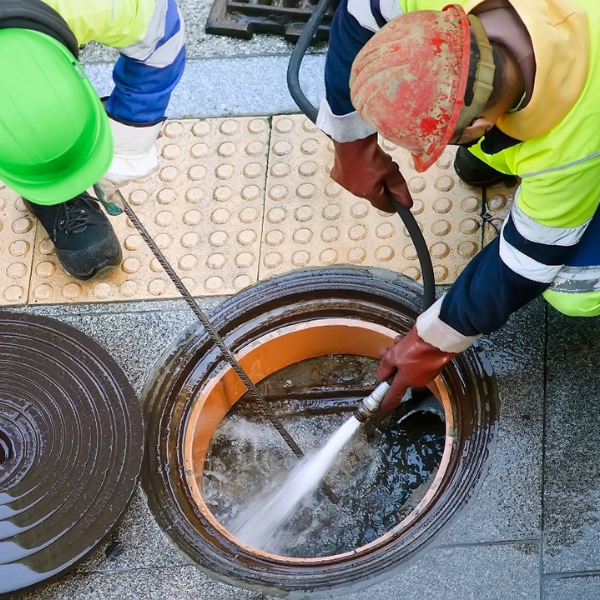
Water jetting systems for sewer and drain cleaning use high-pressure water jets (ranging from 500 bar to 2800 bar) to effectively clear blockages, remove grease, scale, and debris from sewer lines, drains, and pipelines. These systems provide a non-abrasive, eco-friendly, and efficient method for maintaining clean and clear drainage systems, ensuring optimal water flow and preventing backups. Whether for municipal sewer systems, industrial drains, or commercial plumbing, water jetting offers a reliable, safe solution for drain and sewer maintenance.
Our water jetting systems are designed to handle even the toughest blockages in sewers and drains, helping keep your drainage infrastructure flowing and easier to maintain.
How water jetting clears sewers and drains
Water jetting systems for sewer and drain cleaning use high-pressure water streams to break apart blockages and flush debris through the system. The system consists of the following components:
Main components of the system
High-Pressure Pump: Delivers water at the required pressure (500 bar to 2800 bar) for effective cleaning and flushing
Rotary Nozzles: Spins inside pipes, breaking up grease, scale, and debris while ensuring thorough cleaning
Flexible Hoses & Lances: Reach deep into sewer lines and drains, allowing cleaning in confined spaces and long pipe runs
Control System: Manages water flow and pressure, ensuring optimal performance for different types of blockages
Water Recovery System (Optional): Collects used water, filters it, and allows for reuse, reducing environmental impact and ensuring compliance with regulations
Technical specifications
- Pressure Range: 500 – 2800 bar (customized for different types of blockages and pipe materials)
- Flow Rate: 15 – 200 LPM
- Power Source: Electric, Diesel, or Hydraulic-powered units
- Pump Type: Triplex Plunger Pumps or Axial Piston Pumps for optimal performance and efficiency
- Nozzle Types: Rotary nozzles, fixed nozzles, and specialized nozzles for different cleaning applications
- Mounting Options: Skid, Trailer, or Vehicle-mounted for easy portability and access
- Water Recovery: Optional systems for filtering and recycling used water to minimize waste and improve sustainability
- Control Systems: Manual or fully automated control for precise water pressure and flow regulation
Sewer and drain jobs we build systems for
-
Municipal Sewer SystemsCleans and maintains sewer lines in urban areas to prevent blockages, flooding, and backups
-
Industrial Drain CleaningRemoves grease, oils, and chemical residues from industrial drains in factories, food processing plants, and refineries
-
Stormwater DrainsCleans stormwater systems, removing debris, leaves, and sediment that can lead to flooding during heavy rain
-
Restaurant and Commercial Kitchen DrainsRemoves grease and food waste buildup in drains, ensuring proper water flow and hygiene
-
Residential PlumbingClears household drain lines, including kitchen and bathroom drains, to prevent clogs and improve flow
-
Wastewater Treatment FacilitiesMaintains pipelines, pumps, and tanks by removing sludge, sediment, and other contaminants
-
Culverts and DitchesClears culverts and ditches to maintain proper drainage and prevent waterlogging
Why jetting beats rodding, chemicals and excavation
-
Non-DamagingWater jetting is non-abrasive, ensuring that pipes and drains are cleaned without causing damage to the infrastructure
-
Eco-FriendlyEliminates the need for chemicals, making it a safer, more sustainable solution for both the environment and workers
-
EfficientQuickly removes blockages and buildup, restoring optimal water flow and minimizing downtime
-
Cost-EffectiveReduces the need for costly excavation, pipe replacement, and emergency repairs
-
Improved SafetyPrevents sewer backups and blockages, reducing the risk of flooding, contamination, and health hazards
-
Low MaintenanceKeeps sewer lines and drains clear, reducing the frequency of maintenance and repairs
What you get with a Riggers Pumps sewer jetting system
Our water jetting systems are engineered to provide high-performance and safe cleaning for sewers and drains. Here is what they offer:

-
High PerformanceDelivers powerful water jets that remove even the toughest blockages and debris
-
Durable & ReliableBuilt with corrosion-resistant materials to withstand harsh environments and continuous use
-
Customizable SolutionsTailored systems based on your specific cleaning needs, including pressure, flow, and nozzle configuration
-
Portable & FlexibleAvailable in skid, trailer, or vehicle-mounted models for easy mobility across job sites
-
Comprehensive SupportInstallation, training, and after-sales service to ensure your system operates at peak performance
Selecting pressure and flow for sewer jetting
Sewer jetting depends as much on flow as on pressure: pressure breaks the blockage, flow carries the debris away. These are the inputs we use to size a unit.
Pipe diameter and material
Larger pipes need more flow to flush debris; pipe material (PVC, cast iron, steel, concrete) limits how aggressive the jet can be.
Blockage type
Grease and soft sludge, hard scale and root or debris build-up each call for a different nozzle and pressure setting.
Run length and access
Long runs from a manhole need longer hoses and enough flow to keep the nozzle pulling forward through the line.
Nozzle selection
Rotary nozzles scour the full pipe wall; fixed and specialised nozzles penetrate blockages or flush sediment.
Power and mounting
Diesel or vehicle-mounted units suit municipal work across a city; electric skid units suit fixed plant drain networks.
Water use and recovery
If water is limited on site, an optional recovery system collects and filters water for reuse.
How a Riggers Pumps order works
Three steps from enquiry to a tested machine on your site.
-
Share the job
Tell us the application, the pressure and flow you need (or the surface and dirt you are dealing with), power available and site conditions. Photos help.
-
We size and build
Our engineers match pump, drive, nozzle and accessories to the duty and send a clear technical offer.
-
Tested, delivered, supported
Each unit is pressure-tested before dispatch, and we stay on call for commissioning guidance, spares and service.
Frequently asked questions
Straight answers to what buyers ask us most. Can’t find yours? Ask our team.
What pressure is used for sewer and drain cleaning?
Pressure is chosen by blockage type, pipe size and pipe material rather than set at one figure. Light grease and silt clear at lower pressure with good flow; hardened scale needs more pressure. Sewer jetting also relies heavily on flow to carry debris out. Share pipe diameter, material and blockage details and we will size the pump.
How does water jetting improve sewer system performance?
Water jetting scours grease, scale and debris off the pipe wall and flushes it out, restoring the line's full flow area. Clean lines carry more water, block less often and are less likely to back up during heavy rain. Regular jetting also makes CCTV inspection easier and can delay costly excavation or pipe replacement.
Can water jetting clean PVC, cast iron and concrete pipes?
Yes, water jetting is used on PVC, steel, cast iron and concrete pipes, but the setup must match the pipe. Older or thin-walled pipes need controlled pressure and the right nozzle to avoid damage. Tell us the pipe material, age and condition so we can recommend a safe pressure, flow and nozzle combination.
Is water jetting environmentally safe?
Water jetting uses only water to clean, so it avoids caustic drain chemicals and abrasives that end up in the wastewater stream. The sludge and debris removed still need proper disposal. An optional water recovery system can collect and filter water for reuse, which reduces consumption on sites where water is limited.
Should I choose a diesel, electric or vehicle-mounted sewer jetter?
Choose a diesel or vehicle-mounted unit for municipal and contractor work that moves between manholes across a city, since it runs without site power. Choose an electric skid unit for fixed industrial drain networks inside a plant where power is available. Trailer mounting suits teams that tow the unit between nearby sites.
Can one system handle municipal and industrial drains?
Often yes, if the pump is sized for the toughest job and the nozzle set covers the rest. Municipal sewers usually need high flow for large pipes, while industrial drains may need more pressure for grease, oil and chemical residue. We recommend a configuration once we know the range of pipe sizes and blockages you handle.
What maintenance does a sewer jetting unit need?
Use filtered water and check the inlet filter regularly, since grit wears seals, valves and plungers. Check pump oil and hoses before each shift, replace worn nozzles, and drain or flush the system after use. Riggers Pumps supplies spare parts and accessories and can guide your team on service intervals.
What details should I share for a quote?
Send typical pipe diameters and materials, blockage types, the longest run length you clean, power source preference (electric, diesel, hydraulic), mounting (skid, trailer or vehicle), water availability and whether you need water recovery. Mention if the work is municipal, industrial or commercial. This lets us recommend the right pressure, flow and nozzle set.
Related pumps and applications
Talk to an engineer
Get a sewer jetting system sized for your lines
Tell us your pipe sizes, blockage types, run lengths and power source. We will recommend the pressure, flow, nozzles and mounting.
- Call or WhatsApp+91 94870 87778
- Emailconnect@riggerspumps.com
- WorksAmbattur Industrial Estate, Chennai 600 098