In this article
Understanding Heat Exchanger Tubes
A heat exchanger tube is a vital component in heat exchanger systems, which facilitate the transfer of heat between two or more fluids without direct contact. These tubes are widely used across various industries, including power generation, chemical processing, HVAC, oil refineries, and food processing, where precise thermal regulation is crucial.
Why Are Heat Exchanger Tubes Essential?
Heat exchanger tubes play a key role in optimizing thermal efficiency, ensuring smooth energy transfer while preventing excessive heat buildup. They are typically crafted from high-durability materials such as stainless steel, copper, titanium, and corrosion-resistant alloys, enabling them to withstand extreme temperatures and pressures.
However, over time, mineral deposits, corrosion, scale, algae, and sludge accumulate inside these tubes, significantly reducing their efficiency. If left uncleaned, this buildup can lead to higher energy consumption, system inefficiency, and potential equipment failure. Therefore, regular cleaning and maintenance of heat exchanger tubes is critical to ensuring long-term operational success.
How High-Pressure Water Jet Systems and Pumps Enhance Cleaning Efficiency
To combat the buildup of contaminants, industries rely on high-pressure water jet systems and pumps for cleaning heat exchanger tubes. This method is highly efficient, non-invasive, and environmentally friendly.
1. High-Impact Jetting for Deep Cleaning:
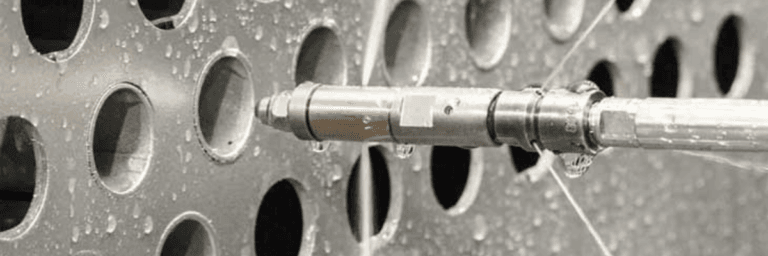
High-pressure pumps generate high-velocity water jets (ranging from 140 bar to 1400 bar, or 2000 psi to 20,000 psi), which are directed into the tubes via specialized nozzles. The sheer force of the water effectively dislodges stubborn deposits such as:
- Scale and mineral buildup (e.g., calcium, lime, and magnesium deposits)
- Corrosion byproducts and rust
- Sludge and biofilms
- Chemical residues from industrial processes
2. Non-Abrasive & Tube-Safe Cleaning:
Unlike mechanical or chemical cleaning methods, high-pressure water jetting preserves the structural integrity of the tubes. Mechanical cleaning may cause tube abrasion, while chemical treatments can lead to corrosion or material degradation over time. Water jetting, however, safely removes buildup without harming the metal surfaces.
3. Comprehensive Coverage, Even in Hard-to-Reach Areas:
One of the significant advantages of high-pressure systems is their ability to reach deep into tube bends, crevices, and corners that conventional brushes or scrapers might miss. Water jets can be combined with rotary nozzles, ensuring a 360-degree cleaning effect that restores full heat transfer efficiency.
4. Speed and Minimal Downtime:
Efficiency is paramount in industrial operations, and high-pressure cleaning methods offer a rapid and effective solution. Unlike manual scrubbing or chemical soaking, which can be time-consuming, water jet systems can clean multiple tubes simultaneously, reducing downtime and boosting productivity.
5. Eco-Friendly and Chemical-Free Solution:
With an increasing emphasis on sustainability, high-pressure cleaning provides an eco-friendly alternative to harsh chemical treatments. Since water is the primary cleaning agent, no hazardous waste is generated, making this method safer for workers and the environment.
6. Customizable Pressure Settings for Various Cleaning Needs:
Different levels of contamination require different pressure settings. High-pressure systems allow for adjustable water pressure levels, ensuring the right amount of force is used for different tube conditions:
- Light cleaning – Lower pressures (2000-5000 psi) for mild deposits
- Medium cleaning – Moderate pressures (5000-12,000 psi) for routine maintenance
- Heavy-duty cleaning – Ultra-high pressures (12,000-20,000 psi) for extreme scaling and corrosion
7. Preventive Maintenance for Long-Term Efficiency:
Regular maintenance using high-pressure water jet systems prevents:
- System inefficiency due to heat transfer obstruction
- Frequent breakdowns and costly repairs
- Excessive energy consumption from overworked systems
Industries that implement routine high-pressure cleaning enjoy longer equipment lifespans and significant cost savings in the long run.
Key Industrial Applications of High-Pressure Cleaning:
- Petrochemical Plants: Frequent scaling and fouling from chemical processes require regular cleaning to maintain heat transfer efficiency.
- Power Generation: Heat exchangers in power plants are critical for cooling systems. High-pressure cleaning ensures that heat exchange processes remain effective.
- Food and Beverage Industry: Heat exchanger tubes often get clogged by biological growth or food residues, and water jet cleaning offers a sanitary solution.
- Pharmaceutical and Chemical Processing: Removing chemical deposits and scaling from heat exchanger tubes ensures smooth operation and prevents contamination of the final product.
Struggling with fouled heat exchangers? Ask Riggers Pumps about water jetting systems for heat exchanger cleaning.
Frequently asked questions
What is a heat exchanger tube?
A heat exchanger tube carries one fluid while another flows around it, allowing heat to transfer between them without mixing. These tubes are used in power generation, chemical processing, HVAC, oil refineries and food processing, and are often made of stainless steel, copper, titanium or corrosion-resistant alloys.
Why do heat exchanger tubes need cleaning?
Deposits such as scale, sludge and biological growth build up inside and outside the tubes, reducing heat transfer and increasing pressure drop. This raises energy use and can lead to overheating or failures if not cleaned regularly. Planning the cleaning around scheduled shutdowns also helps keep production losses to a minimum.
How do high-pressure water jet systems clean heat exchanger tubes?
A high-pressure pump feeds water to lances or flexible hoses with specialised nozzles that are passed through each tube. The jet breaks up and flushes out deposits without abrasives. Pressure can be set to suit the tube material and the type of fouling.